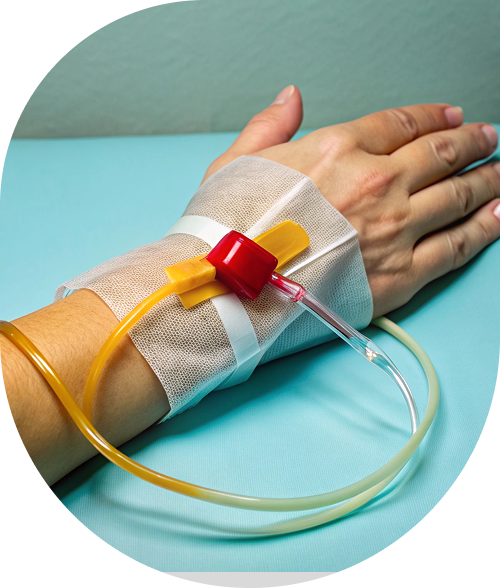
Vascular access devices (VADs), including central venous catheters (CVCs), peripherally inserted central catheters (PICCs), and peripheral intravenous catheters (PIVs), play a critical role in modern patient care. Despite their importance, these devices are frequently at risk for dislodgement, migration, and infection. Traditional securement methods typically focus on stabilizing the catheter hub; however, they often leave the infusion tubing exposed. This vulnerability is significant, as most accidental tension originates in the tubing rather than at the hub itself.
Tubing-related mechanical forces can lead to catheter failures, unnecessary device replacements, and increased healthcare costs due to associated complications. Addressing these risks is essential for ensuring both patient safety and operational efficiency in clinical and home-care settings.
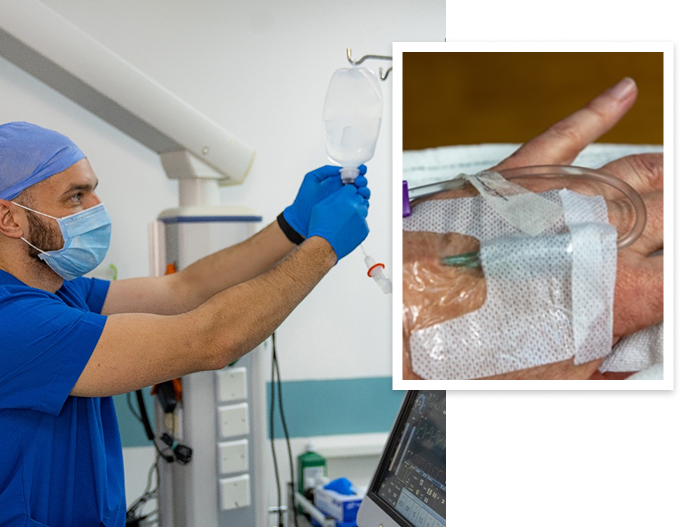
SureSet™ SafeTrak™ Strain Relief Technology represents an innovative approach to vascular access securement by focusing on the entire catheter pathway. Unlike conventional methods, SafeTrak™ features a tubing-centric, strain-relief design that specifically targets and minimizes mechanical stress at the insertion site.
This advanced architecture helps protect against accidental dislodgement and migration, contributing to improved patient safety, greater comfort, and enhanced care efficiency. The benefits extend across diverse care environments, from hospitals and intensive care units to home infusion settings.
SureSet™ SafeTrak™ introduces an innovative solution for vascular access securement by employing a unique blend of flexible motion-control geometry and a secure, low-profile anchoring system. This proprietary design absorbs tension before it can reach the catheter hub, significantly reducing the risk of dislodgement, minimizing micro-motion, and ensuring consistent catheter alignment—even when patients move.
The system is engineered to absorb and redirect pull and torque resulting from tubing movement. This feature is critical for maintaining catheter stability and safeguarding the insertion site.
SafeTrak™ holds the tubing in optimal alignment, effectively preventing twisting or sliding that could compromise securement or patient safety.
This platform is designed to direct mechanical strain away from the insertion site, helping protect vessel integrity during routine care and patient activities.
The flex-hinge component allows for controlled bending of the device, maintaining stability while accommodating natural movements.
The adhesion technology ensures secure fixation, even in challenging, real-world clinical conditions.
SafeTrak™ is developed to enhance both safety and efficiency across a variety of clinical workflows, including intensive care units, dialysis clinics, and home infusion environments.
By stabilizing the tubing, SafeTrak™ helps prevent both micro-motion and accidental pulls, decreasing the likelihood of device failure.
The system minimizes mechanical stress that could compromise the catheter insertion site, supporting better infection control.
SafeTrak™ enables natural movement without causing tugging or irritation, promoting a more comfortable experience for patients.
The device is designed for fast, intuitive application, reducing required training time and minimizing disruptions during dressing changes.
By decreasing the need for restarts, frequent dressing changes, and associated labor, SafeTrak™ contributes to more efficient and economical care delivery.
SafeTrak™ is versatile and suitable for a range of vascular access needs, from long-term PICCs and dialysis catheters to short-duration peripheral lines. Its streamlined design enhances stability, encourages patient adherence, and fosters confidence. The adaptable nature of SafeTrak™ makes it ideal for both high-acuity clinical settings and home-based care environments.
SureSet™ SafeTrak™ Strain Relief Technology signifies a meaningful advancement in catheter securement. By protecting patients, supporting clinicians, and elevating care standards, Alera remains committed to delivering solutions that reduce complications, improve comfort, and usher in a new era of vascular access safety on a global scale.